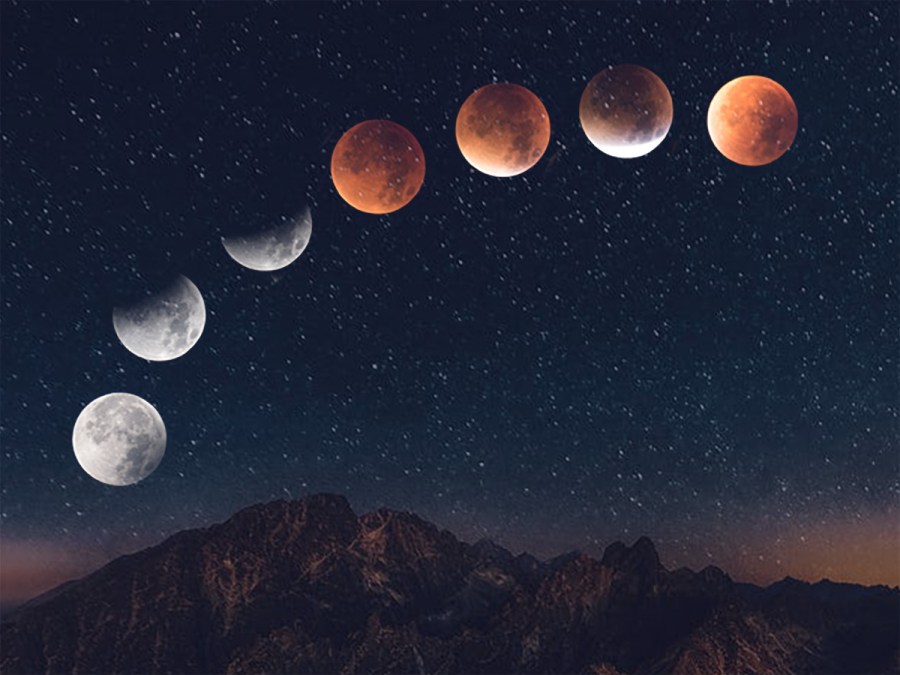
The Arrival of the Pink Moon The headline event for the last week of April is the arrival of the Pink Moon. Despite its name, the moon won't actually change color; the title comes from North American traditions tied to the blooming of Phlox subulata (moss pink) wildflowers. This "Paschal Full Moon" is the first full moon after the spring equinox and is a bright, beautiful sight that will dominate the night from dusk until dawn. A Quartet in the Dawn Sky If you are an early riser, the real magic is happening just before sunrise. Throughout late April, four of our solar system's neighbors are huddling together in a rare alignment: Jupiter: The brightest of the group, high in the western sky after sunset earlier in the month, but shifting position. Mars, Mercury, and Saturn: These three are currently huddled within just 2 degrees of each other—a grouping so tight you can cover them with your thumb at arm's length. The Venus-Uranus Handshake On April 23, a special conjunction occurred where Venus passed remarkably close to Uranus. If you missed it, don't worry—Venus is still shining brilliantly in the western sky just after sunset, moving through the constellation Taurus. Pro Tip: Look for the Pleiades star cluster (the "Seven Sisters") sitting just above Venus. It’s one of the most photographed regions of the sky and looks stunning through simple binoculars. How to Watch To get the best view of the planetary parade: Find a clear horizon: The planets are low in the sky, so buildings or trees might block your view. Timing is everything: For the Mars-Mercury-Saturn trio, look toward the east about 45 minutes before the sun comes up. No telescope? No problem: While a telescope reveals Jupiter's moons, these alignments are easily visible to the naked eye.
Skywatcher’s Alert: A Rare Planetary Alignment and the "Pink Moon" Take Over April Skies
From a brilliant "Pink Moon" to a rare gathering of four planets in the dawn sky, April 2026 is delivering one of the best celestial shows of the decade. Here is how and when to look up.
April 27, 20262 min read61 views